

Mastering the art of bluffing in poker at casinos
Understanding the Basics of Bluffing
Bluffing is an essential strategy in poker, where players mislead their opponents about the strength of their hands. The fundamental idea behind bluffing is to create doubt and confusion among your competitors, encouraging them to fold their better hands. While it can be a thrilling move, bluffing requires a deep understanding of both the game and your opponents, as arbitrary bluffs can lead to significant losses. Many players also enjoy trying their luck at an online casino fast withdrawal uk , where recognizing the right moments to bluff often separates amateur players from seasoned professionals.
In poker, successful bluffing is not just about having a weak hand; it involves an intricate dance of psychology and strategy. Players must assess not only their own cards but also the betting patterns and behaviors of their opponents. A well-timed bluff can take advantage of a perceived weakness in another player’s strategy, manipulating them into making ill-timed decisions. Understanding opponent tendencies and game dynamics is crucial to executing an effective bluff successfully.
Moreover, the ability to read the table is vital when considering a bluff. Factors such as position, stack sizes, and recent betting actions can influence the effectiveness of a bluff. For instance, bluffing from an early position is generally riskier compared to late position, as those who act later have more information about the betting patterns of others. Thus, mastering the art of bluffing requires both keen observation and strategic foresight, ensuring that players can capitalize on any opportunity that presents itself.
Mastering Body Language and Tells
The success of a bluff often hinges on reading your opponents’ body language and recognizing tells that hint at their hand strength. Many players exhibit subconscious reactions when they are bluffing or holding a strong hand, which can provide you with critical information. For instance, a player who suddenly becomes more animated might be trying to hide a weak hand, while a more reserved player could be representing a strong position. Understanding these subtle cues can significantly enhance your bluffing strategy.
Effective bluffing also involves controlling your own body language. If you are bluffing, maintaining a consistent demeanor can help prevent opponents from detecting any signs of uncertainty. Techniques such as adopting a confident posture, steady eye contact, and calm breathing can make your bluff more believable. By exuding confidence and composure, you can persuade your opponents to fold even superior hands, allowing you to seize the pot.
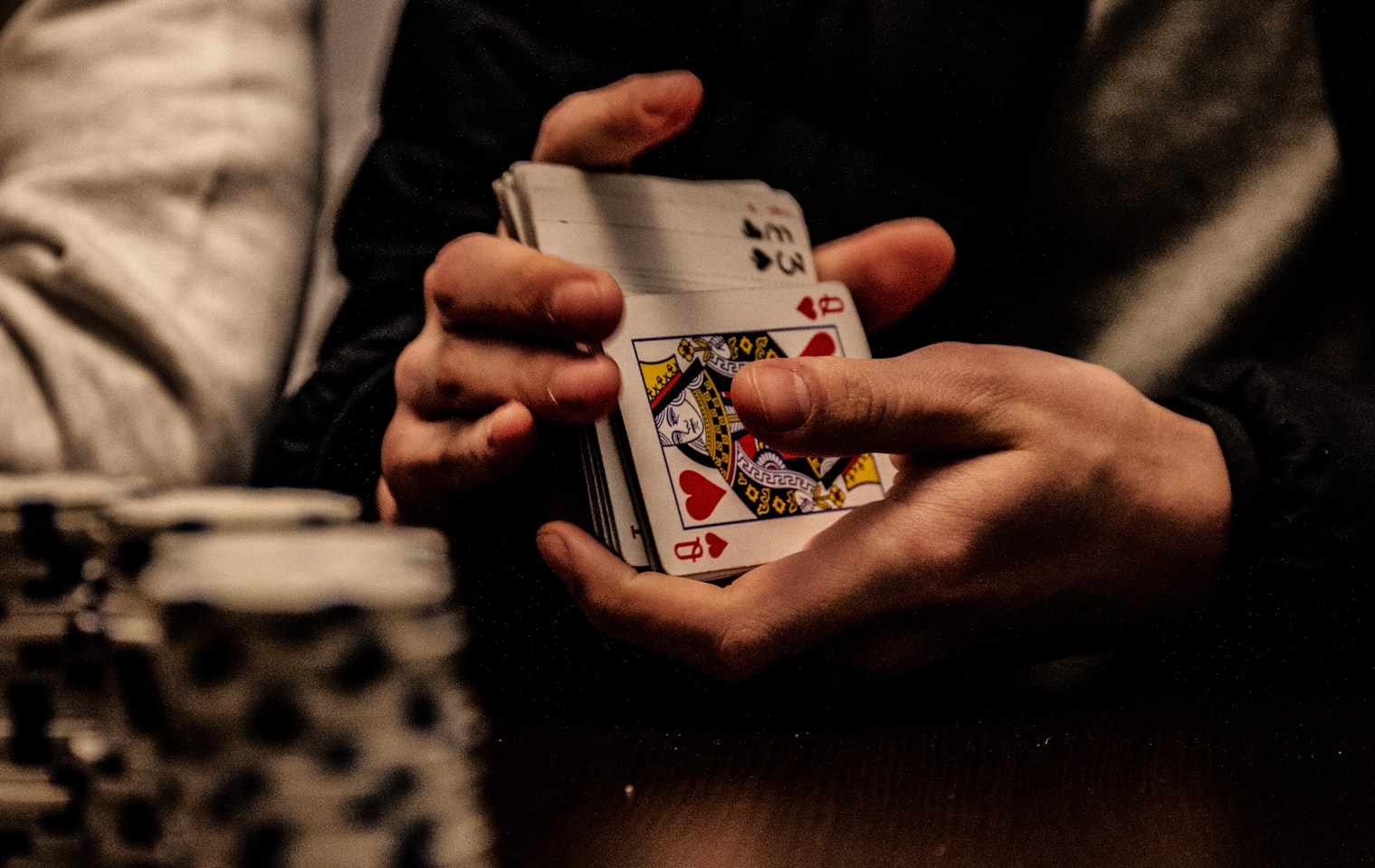
Additionally, studying and practicing these aspects of body language can be beneficial. Watching professionals play and analyzing their behaviors during high-stakes bluffs can offer valuable insights. Similarly, practicing in low-pressure environments can help you experiment with your body language and learn from your mistakes. Overall, mastering the non-verbal signals in poker can give you a significant advantage in the bluffing game.
Strategies for Effective Bluffing
To bluff successfully, one must implement strategies tailored to specific game scenarios. One common approach is the semi-bluff, where a player bets with a hand that is not currently the best, yet has the potential to improve. This strategy can be particularly effective in situations where you can represent a stronger hand while still having options to win if called. For example, if you’re holding two suited cards and the flop appears favorable, betting aggressively can compel opponents to fold, as they may perceive the threat of your potential flush.
Another effective bluffing strategy is the “check-raise” method. This tactic involves initially checking to induce betting from your opponents, followed by a raise to show strength. This approach can be particularly effective against players who are overly aggressive, as you play into their perception of your weakness. The element of surprise can often lead to significant errors from your opponents, allowing you to capitalize on their mistakes.
It is also crucial to tailor your bluffing strategy to your specific opponents. For instance, a tight player may fold more often to aggression, while a loose player may be more inclined to call down with weaker hands. Understanding your opponents’ tendencies can allow you to bluff with greater precision, significantly increasing your chances of success at the table. Tailoring your approach to the specific dynamics of the game and the players involved is key to mastering the art of bluffing.
Recognizing When To Bluff
Determining the right moments to bluff can be challenging and requires careful consideration of various factors. One critical aspect is the texture of the board. A board with a high concentration of potential straights or flushes could provide a stronger basis for a bluff, as it can be easier to represent a strong hand. If the community cards show high potential, opponents may be more likely to fold if they sense you are making a power play.
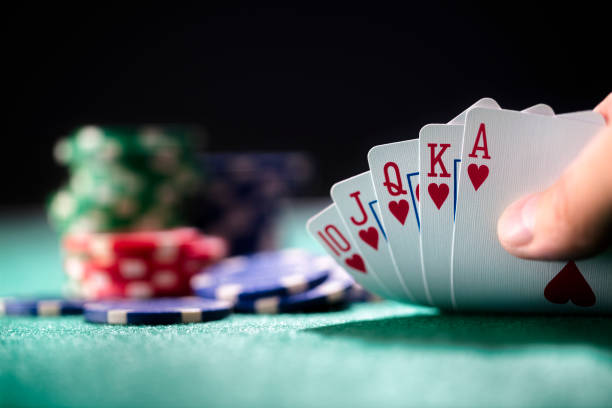
Your own table image plays a vital role in when to bluff as well. If you have been playing conservatively and established a tight image, your bluffs may be more credible. Conversely, if you’ve been consistently aggressive, opponents might be less likely to take your bluffs seriously. Timing and the context of past hands can influence your opponents’ perceptions, making it essential to recognize when your bluff will carry weight.
Additionally, how many players remain in the hand is an important consideration for bluffing. Bluffing against a single opponent can be more effective than trying to bluff multiple players, as the chances of someone holding a stronger hand increase. The more players are in the hand, the more complex the dynamics become, and the less likely a single bluff will succeed. Recognizing these nuances is crucial to mastering the strategic art of bluffing in poker.
Your Ultimate Guide to Bluffing Expertise
This guide serves as your ultimate resource for mastering the intricacies of bluffing in poker at casinos. We delved into the foundational principles, the importance of body language, effective strategies, and recognizing the right moments to bluff. By integrating these concepts into your gameplay, you’re primed to enhance your poker skills and create more opportunities at the table.
For those dedicated to improving their poker game, continuous learning and practice are paramount. Engaging in real-life poker sessions, studying professional matches, and analyzing your gameplay can foster significant growth. The more you immerse yourself in poker, the better equipped you will be to master the psychological tactics associated with bluffing.
Whether you are a beginner or a seasoned player, our website provides valuable insights, strategies, and resources to elevate your game. By dedicating time to learn and adapt, you will not only become a proficient player but also a confident bluffer, ready to take on challenges and outsmart your opponents in the thrilling world of casino poker.
Recente reacties