

Understanding the psychology behind winning at the casino
The Allure of the Casino Environment
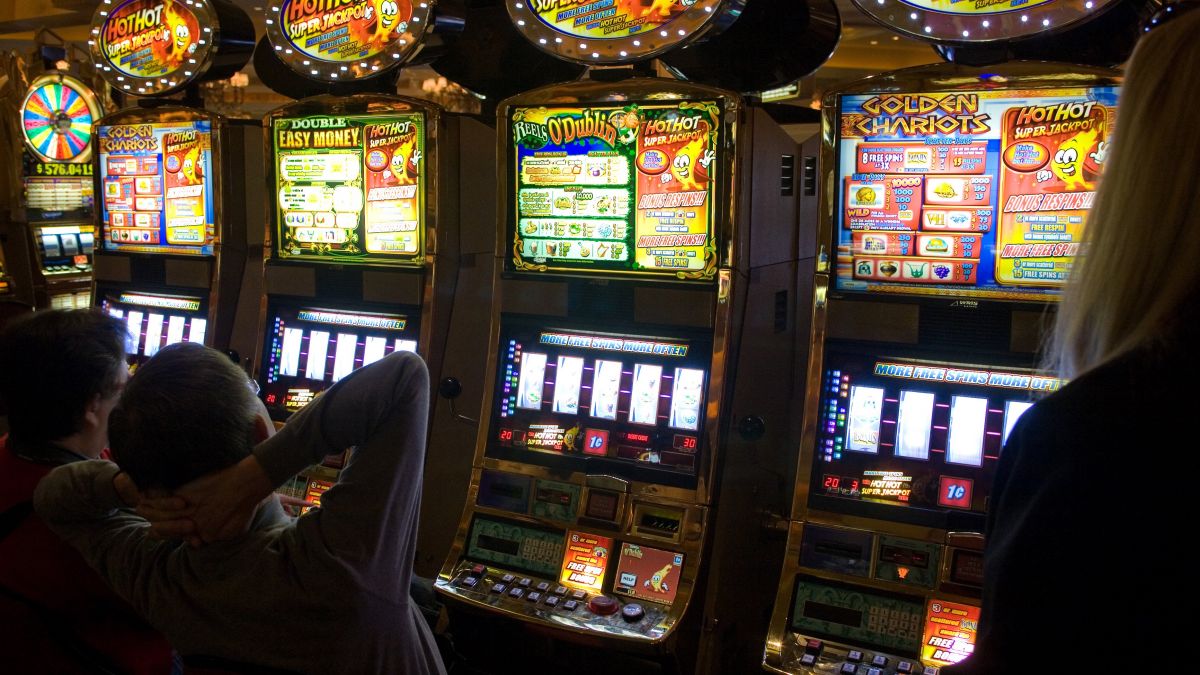
The psychological design of a casino is crafted to instill a sense of excitement and encourage prolonged engagement. Bright lights, loud sounds, and stimulating visuals create an immersive atmosphere that captivates players’ attention. The use of vibrant colors and enticing displays are not merely aesthetics; they strategically enhance the thrill associated with gambling. Many players find themselves drawn into this captivating environment, especially when considering options like australian online casinos, which offer unique experiences complementing traditional gaming venues.

Moreover, casinos are designed to manipulate time perception. Without windows or clocks, players lose track of time, often leading to extended gaming sessions. This psychological trick helps to create an illusion of limitless possibilities, compelling players to continue playing, even when they’re on the verge of loss. Understanding this can illuminate why many individuals feel unable to resist the casino’s magnetic pull.
The Role of Cognitive Biases in Gambling
Cognitive biases significantly impact how individuals perceive their chances of winning at the casino. The illusion of control is a prevalent bias that leads gamblers to believe they can influence outcomes, especially in games of chance, such as slot machines or roulette. This misconception can motivate players to engage more, as they feel their actions may lead to success, even when the odds are entirely against them.
Another relevant bias is the gambler’s fallacy, where individuals assume that past events affect future outcomes. For example, a player may believe that a particular slot machine is “due” for a win after a series of losses. Such thinking can lead to increased bets and a higher investment of money and time, reinforcing the cycle of gambling behavior. Recognizing these biases is crucial for both players and operators to foster responsible gaming practices.
The Emotional Rollercoaster of Winning and Losing
Gambling can evoke a myriad of emotions, which play a significant role in decision-making. The exhilaration following a win is often accompanied by a rush of dopamine, reinforcing the desire to chase more wins. This biochemical response can cloud judgment, leading players to pursue losses in hopes of a comeback. The thrill of winning can create a strong emotional bond with the act of gambling, turning it into a habitual behavior.
Conversely, losses can trigger feelings of frustration, disappointment, and even despair, which can lead to destructive gambling patterns, such as chasing losses. Understanding the emotional highs and lows of gambling is essential for players seeking to maintain control over their gambling habits. This awareness can help individuals navigate the ups and downs, allowing for healthier engagement with gaming activities.
The Influence of Social Dynamics in Gambling
Social dynamics play a pivotal role in the gambling experience, as peer influence can significantly affect individual behavior. People often gamble in groups, and the social atmosphere can amplify the excitement associated with winning and losing. The concept of social proof can lead individuals to participate in gambling activities simply because their friends or peers are doing so, further heightening their involvement.
Additionally, shared experiences can stimulate camaraderie, creating a sense of community among gamblers. This social aspect may encourage longer play and increased spending, driven by the collective thrill. Understanding the impact of social interactions can provide insights into the motivations behind gambling behavior and inform strategies for responsible gaming practices.
Conclusion and Responsible Gaming Awareness
In conclusion, the psychology behind winning at the casino is intricate, encompassing environmental design, cognitive biases, emotional responses, and social dynamics. By understanding these psychological factors, players can cultivate a more informed approach to gambling, enabling them to enjoy the experience while mitigating the risks associated with it.
As awareness of gambling psychology grows, it becomes increasingly important to promote responsible gaming. Comprehending the underlying motivations and influences can help individuals make informed decisions and maintain a healthy relationship with gambling. Whether it’s for entertainment or a serious pursuit, understanding these psychological elements can lead to a more positive gambling experience.
Recente reacties